The Importance of Conveyor Belt Machine Maintenance
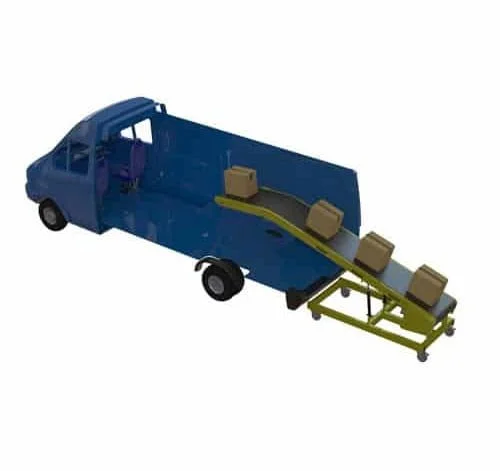
In industrial environments, conveyor belt machines are essential components, ensuring the smooth and efficient transportation of materials across various sectors. From manufacturing to packaging, these machines significantly enhance productivity. However, like any other machinery, conveyor belts require regular maintenance to function optimally and prevent costly disruptions. Understanding the significance of conveyor belt machine maintenance is crucial for any business relying on these systems. This article delves into the core reasons for maintaining conveyor belts and offers practical insights into achieving long-term efficiency and reliability.
Why Maintenance Matters
Conveyor belt systems are subject to wear and tear due to their continuous operation. Regular maintenance ensures that these systems operate efficiently, minimizing downtime and extending the lifespan of the equipment. Here are some reasons why maintenance is imperative:
- Prevention of unexpected breakdowns that can halt production and incur significant costs.
- Reduction of wear and tear, ensuring the longevity of the conveyor belt components.
- Enhanced safety by identifying and rectifying potential hazards before they lead to accidents.
- Optimized performance leading to increased throughput and productivity.
For those seeking expert strategies on maintaining conveyor belt systems, discover expert strategies here.
Key Maintenance Practices
Regular Inspection
Regular inspection is crucial for identifying signs of wear, damage, or misalignment in conveyor belts. This practice includes checking for:
- Signs of belt slippage or misalignment.
- Damaged or worn-out rollers and pulleys.
- Loose bolts and connections.
- Unusual noises or vibrations during operation.
For a comprehensive guide on conveyor system inspections, explore advanced guides and tips.
Lubrication
Proper lubrication of moving parts is essential to reduce friction, wear, and tear. This helps in:
- Ensuring smooth operation and minimizing energy consumption.
- Preventing overheating and reducing the risk of component failure.
- Prolonging the life of bearings, gears, and other moving parts.
Learn about tailored solutions for effective lubrication by visiting this page.
Cleaning and Debris Removal
Keeping the conveyor system clean is vital to prevent material buildup that can lead to operational inefficiencies. Effective cleaning practices include:
- Regular removal of debris and spillage around the conveyor.
- Using appropriate cleaning agents to prevent corrosion and rust.
- Ensuring that cleaning does not interfere with belt alignment and operation.
For more detailed approaches on maintaining cleanliness, find out more about this approach.
Benefits of Professional Maintenance
While routine checks can be performed in-house, enlisting professional maintenance services ensures a higher level of expertise and thoroughness. Benefits include:
- Access to specialized tools and diagnostic equipment.
- Expertise in identifying and addressing potential issues.
- Comprehensive maintenance plans tailored to specific operational needs.
- Consistent tracking and documentation of maintenance activities.
Professionals can provide insights and recommendations based on industry best practices.
Conclusion
Maintaining conveyor belt machines is not merely an operational task but a strategic component of ensuring business efficiency and safety. By implementing regular maintenance schedules, businesses can avoid unexpected downtimes, enhance productivity, and ensure a safe working environment. For those looking to optimize their conveyor systems, continuous learning and adaptation of industry best practices can significantly contribute to operational success. To explore more on tailored maintenance strategies, learn about our tailored solutions.
