Stay Prepared with Energy Maintenance Services
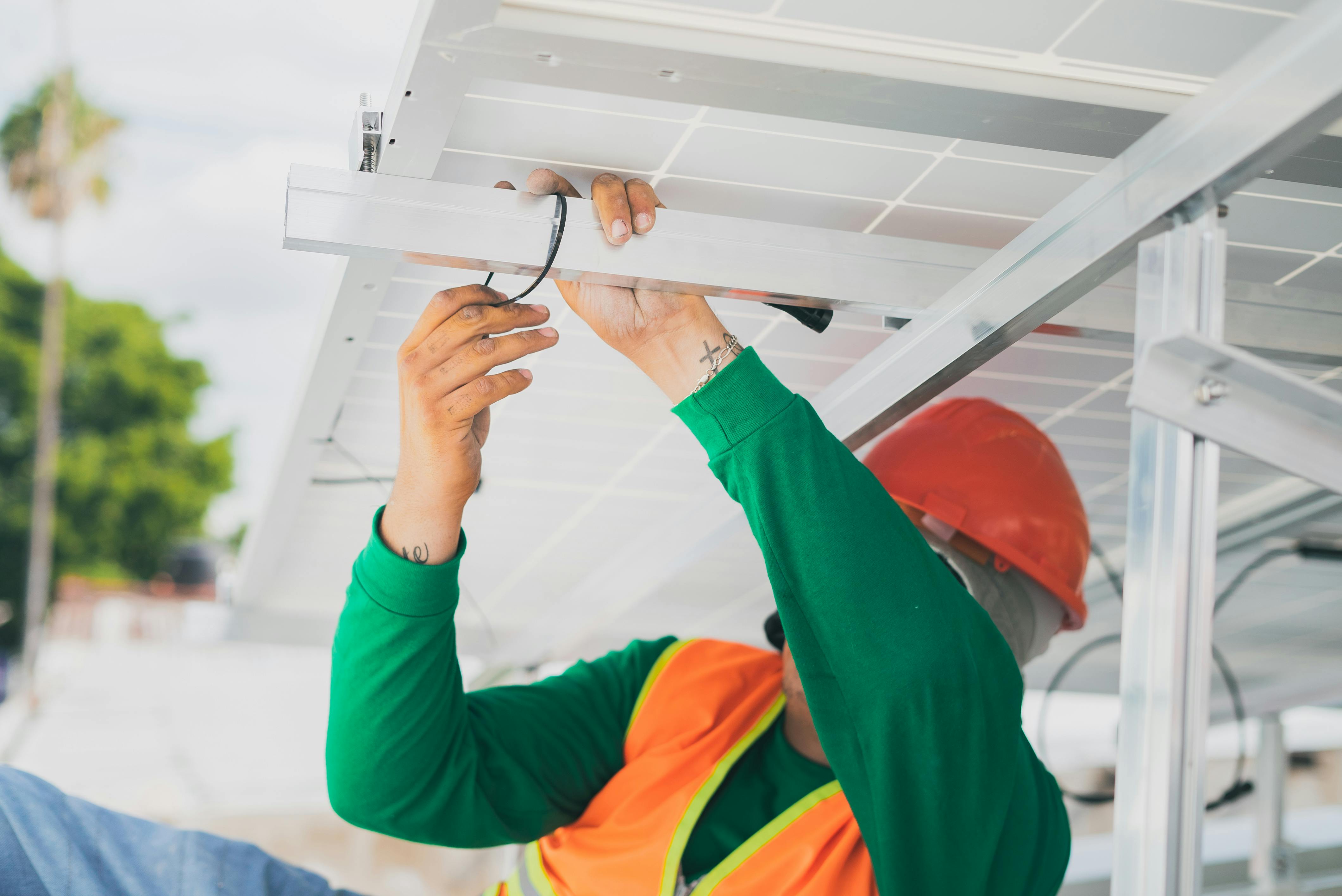
Energy maintenance services play a pivotal role in ensuring the seamless operation and longevity of equipment and systems across various sectors. As global energy demands continue to rise, maintaining the efficiency and reliability of energy systems becomes increasingly critical. By incorporating regular maintenance services, businesses can mitigate risks, reduce unexpected downtime, and optimize energy usage. These services are essential for both large-scale industrial operations and smaller commercial establishments, each of which can benefit from tailored strategies designed to meet specific needs and goals.
Importance of Energy Maintenance Services
The significance of energy maintenance services cannot be overstated. Proper maintenance ensures systems operate at peak efficiency, leading to cost savings and enhanced performance. Key benefits include:
- Reduction in unexpected equipment failures.
- Prolonged lifespan of energy systems.
- Lower operational and repair costs.
- Increased safety for personnel and facilities.
- Enhanced environmental compliance and sustainability.
By engaging in regular maintenance, businesses can also keep up with technological advancements and regulatory changes. Read more about this topic.
Types of Energy Maintenance Services
Preventive Maintenance
Preventive maintenance involves routine inspections and servicing to prevent equipment failures before they occur. This proactive approach can significantly reduce the likelihood of unexpected breakdowns and ensure continuous operation. Learn more in this detailed guide.
Predictive Maintenance
Predictive maintenance uses data analytics and monitoring tools to predict when maintenance should be performed. By analyzing trends and diagnosing potential issues early, this method helps in planning maintenance activities more effectively, minimizing disruption.
Corrective Maintenance
Corrective maintenance is performed after a fault is detected and aims to restore the system to its operational state. While less preferred due to potential downtime, it is essential for addressing unexpected issues that preventive measures might not cover. Explore further insights here.
Implementing an Effective Maintenance Strategy
An effective maintenance strategy requires careful planning and execution. Businesses should:
- Conduct thorough energy audits to assess the current state of systems.
- Develop a customized maintenance plan that aligns with operational goals and budget constraints.
- Utilize advanced technologies for monitoring and diagnosing equipment performance.
- Train personnel regularly to ensure adherence to maintenance protocols.
Staying informed about the latest trends and technologies in energy maintenance can provide competitive advantages. Find additional information here.
The Role of Technology in Energy Maintenance
Technology plays a crucial role in enhancing the efficiency and effectiveness of energy maintenance services. Innovations such as the Internet of Things (IoT), machine learning, and artificial intelligence allow for real-time monitoring and predictive analytics. These technologies enable more accurate forecasting of maintenance needs, reducing downtime and enhancing operational efficiency.
As technological capabilities evolve, businesses must adapt their maintenance strategies accordingly to stay ahead of potential issues and optimize energy usage. Learn more in this detailed guide.
In conclusion, energy maintenance services are essential for maintaining the reliability and efficiency of energy systems. By implementing effective strategies and leveraging advanced technologies, businesses can ensure sustainable operations and meet their energy goals. Regular maintenance not only saves costs but also contributes to a safer and more reliable energy infrastructure.
