How to Choose the Right Arrow Board for Your Traffic Control Needs
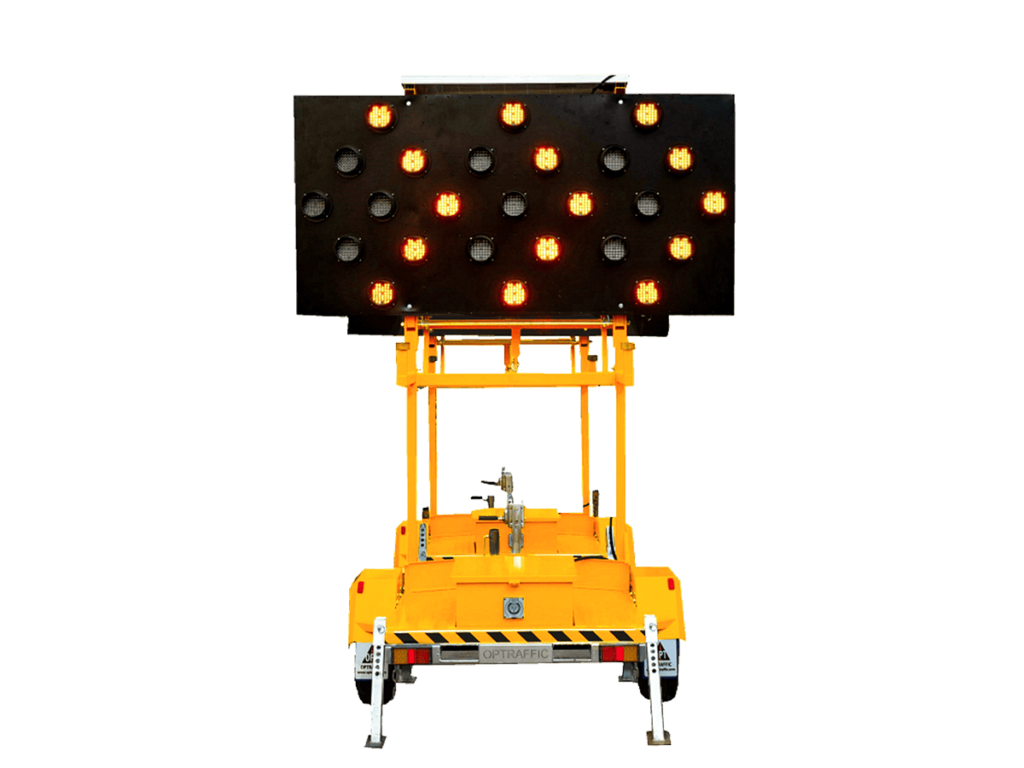
When it comes to ensuring safety on roadways, particularly in construction zones or emergency situations, an arrow board is a crucial tool. These devices provide clear directional signals to drivers, helping to manage traffic flow and enhance safety. However, selecting the right arrow board for your specific needs requires careful consideration of several factors. Here’s a comprehensive guide to help you make the best choice.
1. Understand Your Requirements
Before purchasing an arrow board, it’s essential to determine the specific requirements of your traffic control operation. Consider factors such as the type of roadwork, the volume of traffic, and the visibility needs. For instance, if you are working on a highway with high-speed traffic, you will need a board that offers high visibility and can withstand harsh weather conditions.
2. Choose the Right Size
Arrow boards come in various sizes, and selecting the right size is crucial for visibility and effectiveness. Smaller boards are suitable for low-speed, local roads, while larger boards are necessary for highways and busy streets. A general guideline is that the board should be large enough to be visible from a distance of at least 500 feet in daylight and 1,000 feet at night.
3. Consider LED Technology
LED arrow boards are increasingly popular due to their energy efficiency and bright illumination. LED boards provide high visibility even in adverse weather conditions, such as fog or heavy rain. They also have a longer lifespan compared to traditional incandescent bulbs and require less maintenance. When choosing an LED arrow board, ensure that it has adjustable brightness settings to adapt to different lighting conditions.
4. Check Durability and Weather Resistance
Traffic control devices are exposed to various environmental factors, including rain, wind, and extreme temperatures. Therefore, it’s essential to choose an arrow board that is built to withstand these conditions. Look for features such as weatherproof housings, rust-resistant materials, and reinforced components. Additionally, consider boards with protective covers or enclosures that shield the electronic components from moisture and dust.
5. Evaluate Mounting and Portability
The mounting options for arrow boards vary, so it’s important to select one that suits your setup needs. Some boards are designed for trailer mounting, which is ideal for temporary setups and easy relocation. Others can be mounted on trucks or other vehicles for mobile operations. Ensure that the arrow board you choose can be easily installed and removed as required. Portability is also a factor if you need to move the board frequently.
6. Look for Customization Options
Different traffic control situations may require different signal patterns. Choose an arrow board that offers customizable options for arrow patterns, including left-turn, right-turn, and lane closure signals. Some advanced models even allow for programmable messages and symbols, providing additional flexibility for diverse traffic management scenarios.
7. Check Compliance with Regulations
Arrow boards must meet specific safety and visibility standards set by transportation authorities. Before making a purchase, verify that the board complies with local and national regulations, such as those outlined by the Manual on Uniform Traffic Control Devices (MUTCD) in the United States. Compliance ensures that the board meets the necessary standards for safety and effectiveness.
8. Consider Maintenance and Support
Routine maintenance is essential for ensuring the longevity and reliability of your arrow board. Opt for models from reputable manufacturers that offer good customer support and easy access to replacement parts. Some manufacturers also provide maintenance services or extended warranties, which can be valuable for long-term use.
9. Compare Costs
While it’s important to consider your budget, avoid choosing an arrow board solely based on cost. Cheaper models may lack essential features or durability, which could lead to higher long-term expenses. Compare the cost of different models against their features and benefits to find a balance between affordability and quality.
Conclusion
Selecting the right arrow board for your traffic control needs involves evaluating factors such as size, technology, durability, and compliance with regulations. By carefully considering these aspects, you can choose a board that enhances safety, improves traffic flow, and meets the specific demands of your operations. Investing in the right arrow board is a crucial step in ensuring effective and reliable traffic management.
