Protect Your Property with Professional Tree Storm Support Systems
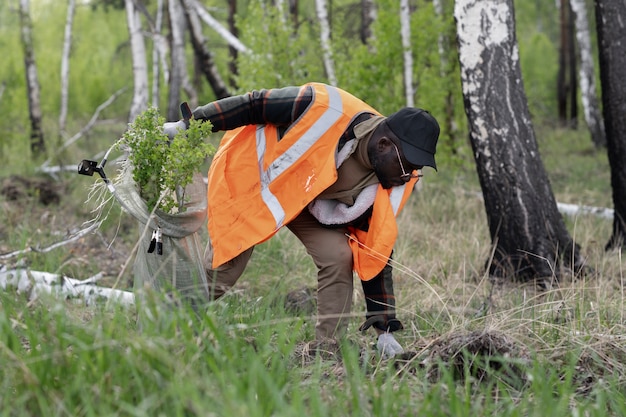
When nature unleashes its fury in the form of storms, the damage can be extensive and devastating. For property owners, safeguarding against such events is paramount. Trees, while providing beauty and value to properties, can also pose risks if not properly maintained. Implementing professional tree storm support systems is a crucial step in protecting property and ensuring safety during inclement weather. These systems not only preserve the structural integrity of trees but also protect the surrounding environment and infrastructure.
Understanding Tree Storm Support Systems
Tree storm support systems are specialized arrangements designed to enhance the stability and resilience of trees during adverse weather conditions. These systems include various techniques and materials that help trees withstand high winds, heavy rains, and even ice accumulation. The key components of these systems include:
- Cabling: High-strength cables are used to support weak branches, reducing the risk of breakage.
- Bracing: Steel rods are inserted to reinforce tree trunks and major limbs.
- Guying: Anchors and wires provide additional stability by securing the tree to the ground.
Each method is selected based on the specific needs of the tree and the environment it inhabits. Discover expert strategies here for implementing the right system for your property.
Benefits of Professional Tree Support Systems
Investing in professional tree storm support systems offers multiple advantages, ensuring both the safety of the property and the health of the trees:
- Enhanced Safety: Properly supported trees are less likely to fall or drop limbs during storms, reducing the risk of damage to homes, vehicles, and other structures.
- Tree Longevity: By preventing structural damage, these systems help extend the life of trees, preserving their aesthetic and ecological value.
- Cost Savings: Preventative measures can be more cost-effective than emergency tree removal and repairs after a storm.
To understand the full scope of benefits, learn about our tailored solutions and how they can be applied effectively to your property.
Signs Your Trees May Need Storm Support
Weak Branch Structure
Inspect trees for V-shaped forks or crossed branches, which can indicate structural weaknesses. These formations are more susceptible to breakage under stress. Explore advanced guides and tips for identifying these signs early.
Leaning Trees
While some trees naturally lean, a sudden or increasing tilt can signal root instability or soil erosion. Professional assessment is crucial in determining if support systems are necessary.
Cracked or Split Limbs
Visible cracks or splits in major limbs are clear indicators that a tree may not withstand strong winds or heavy loads. Immediate intervention can prevent further damage.
For more information on assessing tree health, find out more about this approach.
Choosing the Right Professional Support
Not all trees require the same type of support. Engaging with professionals ensures that the most appropriate techniques are applied. Expert arborists can provide a comprehensive evaluation of tree health and recommend suitable solutions tailored to specific challenges. This personalized approach maximizes the effectiveness of storm support systems.
By taking proactive steps, property owners can significantly mitigate the risks associated with severe weather, ensuring the protection and preservation of their valuable trees and surrounding environments. For more detailed insights and professional guidance, explore advanced guides and tips available from industry experts.
